
The Experonuat
The GETI Institute for Experience Organization Blog
The Revolutionary Economics of Kate Raworth: A New Framework for Sustainable Prosperity
O2Z4 date 01-22-24
ENTRY: 14
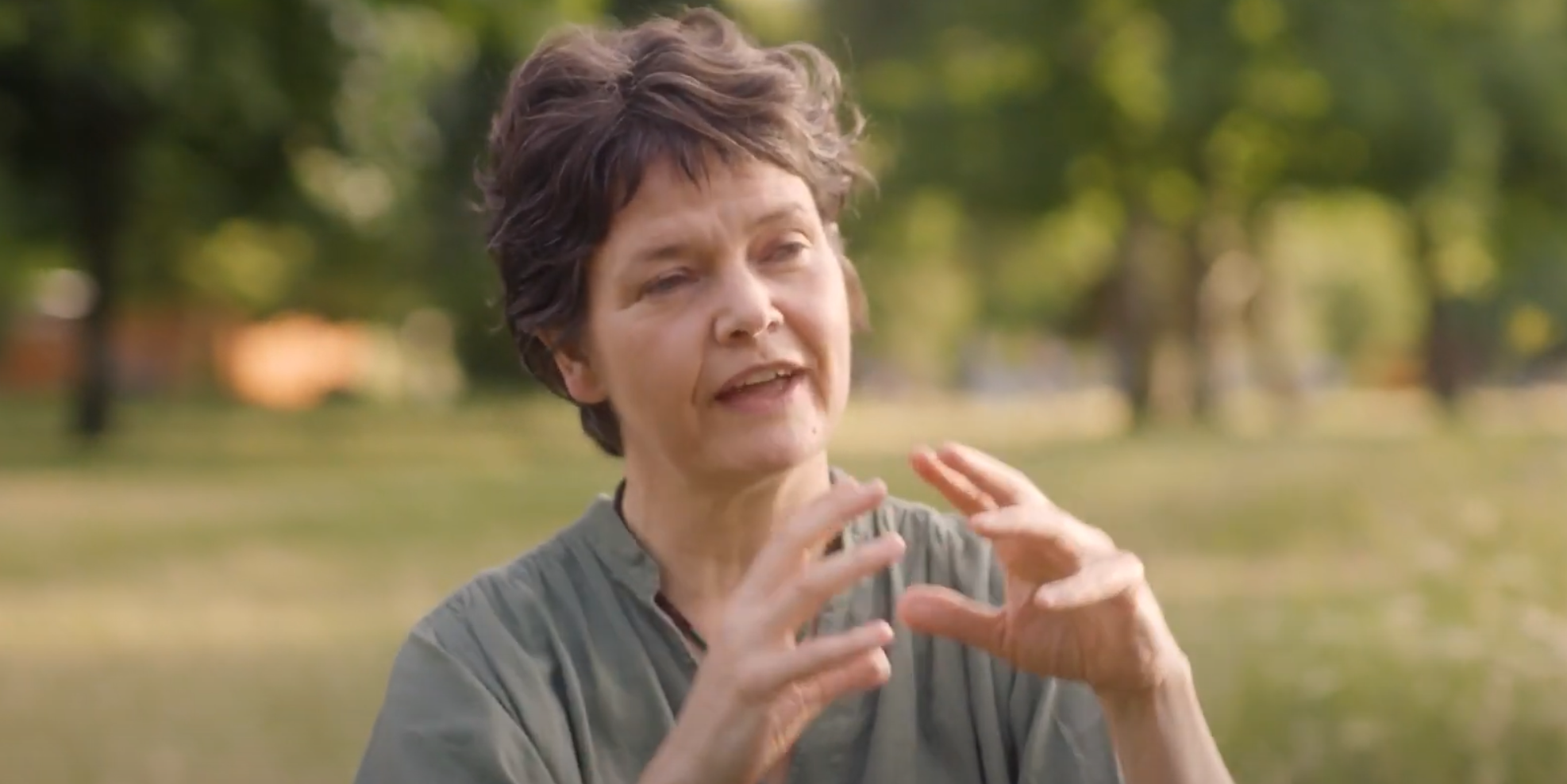
In an age of unprecedented economic, social, and environmental challenges, Kate Raworth has emerged as one of the most influential voices in rethinking economics for the 21st century. A renegade economist and author of the groundbreaking book Doughnut Economics: Seven Ways to Think Like a 21st-Century Economist, Raworth challenges the traditional focus on endless GDP growth and instead proposes a model that balances human well-being and planetary boundaries.
Raworth’s approach, often referred to as "Doughnut Economics," visualizes a framework for sustainable development as a doughnut-shaped model. The inner ring represents the "social foundation," encompassing basic human needs like healthcare, education, and equality, while the outer ring signifies the "ecological ceiling," including critical environmental limits such as climate stability and biodiversity. Between these two boundaries lies the "safe and just space for humanity," where society can thrive without breaching the Earth's limits.
Her model critiques classical economic theories that emphasize linear growth and market-driven solutions, arguing instead for regenerative and distributive economic systems. Regenerative economies focus on repairing ecological damage and creating circular economies, while distributive systems aim to reduce inequality and empower communities. Raworth’s ideas are particularly relevant in the face of climate change, social inequality, and resource depletion, as they provide a holistic framework for policymakers, businesses, and communities to collaborate toward a sustainable future.
Doughnut Economics has already been adopted in cities like Amsterdam, which uses the framework to guide urban development and planning. Businesses and institutions globally are also beginning to integrate its principles to align their operations with social and ecological goals.
Kate Raworth's work continues to inspire a growing movement of thinkers and practitioners committed to reshaping economics to address humanity’s most pressing challenges. Her ability to communicate complex economic principles through accessible and engaging language has solidified her status as a leader in the global sustainability movement.
Kate Raworth’s Published Works
- Doughnut Economics: Seven Ways to Think Like a 21st-Century Economist (2017)
The cornerstone of her work, introducing the Doughnut model and a new vision for economics. - A Safe and Just Space for Humanity: Can We Live Within the Doughnut? (2012)
A discussion paper for Oxfam that laid the groundwork for the Doughnut model. - Exploring Doughnut Economics (Various Essays and Articles)
Numerous pieces expanding on Doughnut Economics principles, often featured in journals and blogs. - Co-authored Reports for Oxfam International
Focused on global development, inequality, and sustainability.
Kate Raworth's work demonstrates that economics is not just about numbers and graphs but about creating systems that ensure a flourishing future for people and the planet. Let her ideas inspire you to think beyond traditional economic paradigms and envision a world where everyone can thrive within the means of our planet.